Let’s put it all on black part II
This week, we revisit metals pricing after the Strait of Hormuz shock, examining which commodities now look mispriced and how investors can position across platinum, silver, aluminium, and rare earths.
Investing in precious metals and gems can be a wise financial strategy with a history dating back centuries. Search volume for “rare earth metals” is up 70% MoM.
There are a few companies we love:
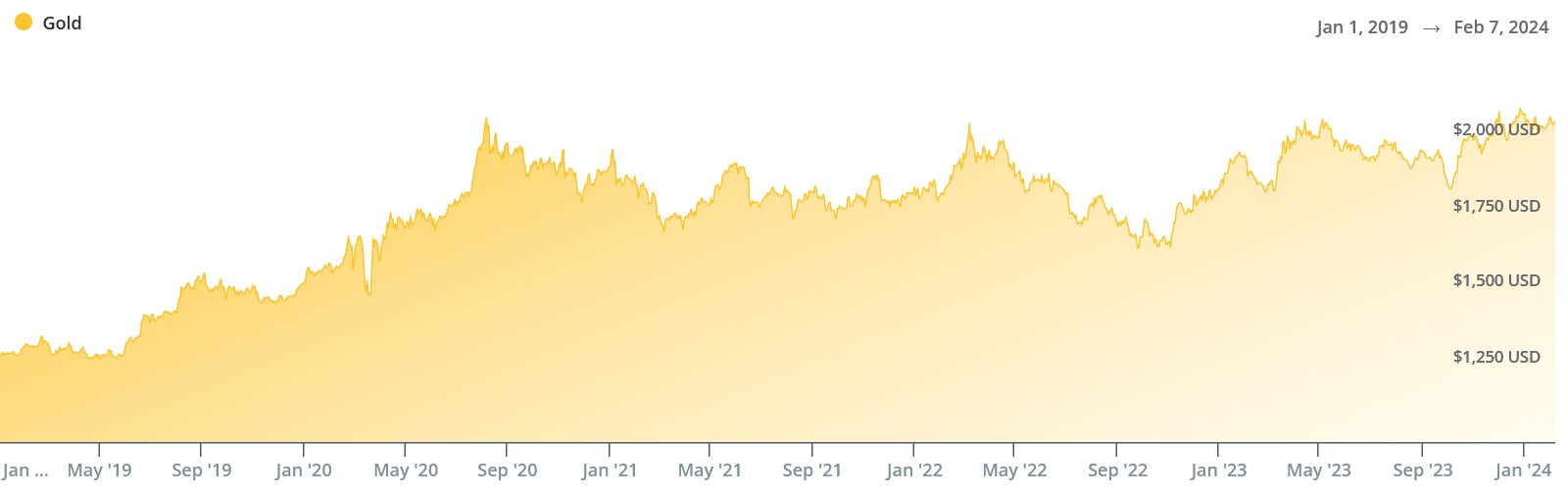
Precious metals like gold, silver, platinum, and palladium, as well as rare gems such as diamonds, emeralds, rubies, and sapphires, have long been revered for their intrinsic beauty and value.
These assets offer a tangible store of wealth and a hedge against inflation and economic uncertainties. Investing in precious metals can be done through various means, such as purchasing physical bullion, investing in exchange-traded funds (ETFs).
By carefully navigating the market, investors can potentially enjoy both the aesthetic pleasure of owning these precious assets and the potential for long-term capital appreciation.

This week, we revisit metals pricing after the Strait of Hormuz shock, examining which commodities now look mispriced and how investors can position across platinum, silver, aluminium, and rare earths.

Today, we’re revisiting commodities, unpacking a utility-versus-narrative framework for pricing metals, and breaking down what it means for gold, copper, rare earths, and investor risk.

Today, we’re revisiting gold’s negative carry problem, unpacking Monetary Metals’ leasing model, and breaking down what earning yield in ounces could mean for long-term holders.

Today we have a short but interesting primer on seabed mineral extraction. We’ll explain how it works, who controls the ocean floor, environmental considerations, and why Japan’s recent move is interesting.

This week’s Alts dives into why most rare earth projects fail, debunks the biggest REE myths, and reframes the sector as an industrial coordination problem—not a mining one—walking through the real bottlenecks, pricing distortions, and a practical scorecard investors can use to separate viable suppliers from hype.

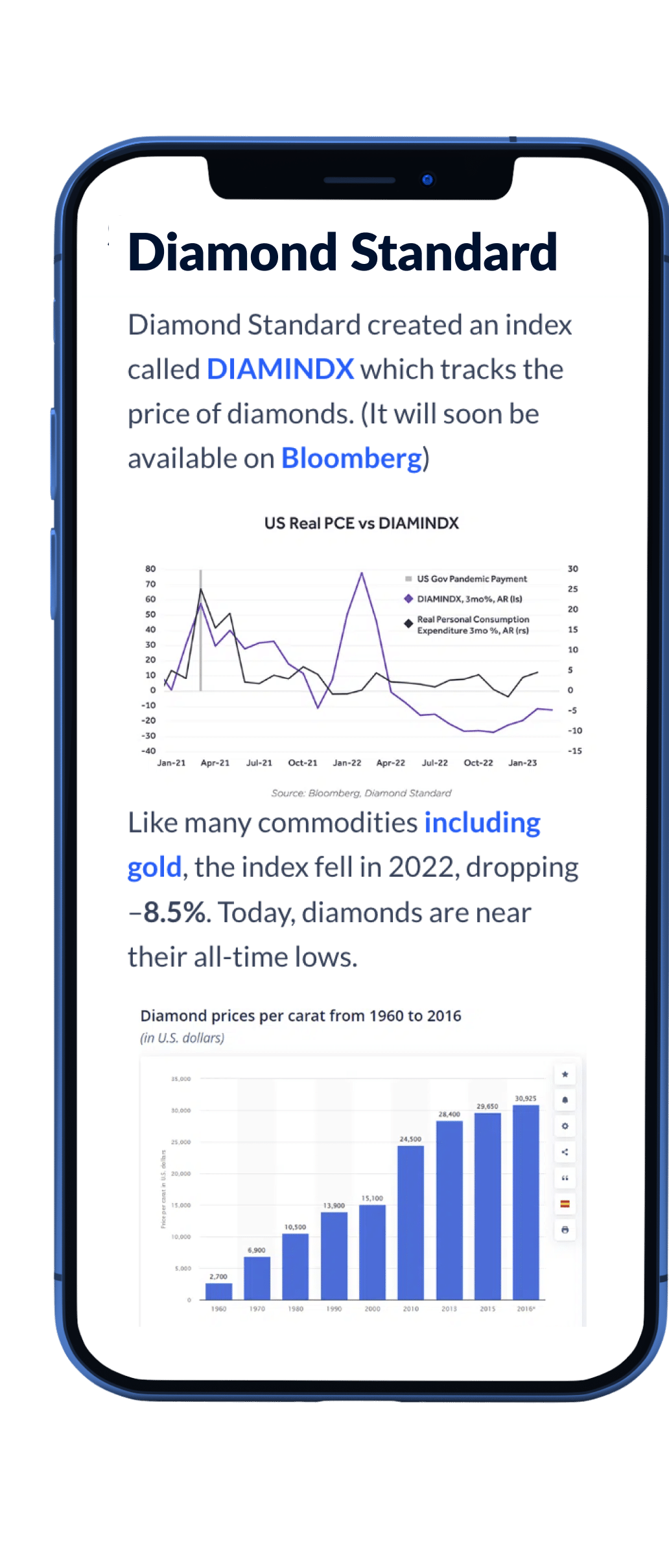
Lab-grown diamonds have crashed the generic market, but ultra-rare stones are thriving. This issue explores the shifting diamond landscape — and why Aquaduct is betting on true scarcity.

With a $30B market, rising demand, and timeless appeal, pearls are shedding their “grandma” image. From ancient status symbol to modern investment, here’s why pearls might are a hidden gem to consider.

Brian Flaherty explores the overlooked road salt industry, including an overview of the global salt market, the 4 big players, salt alternatives, and ways to invest.

In most of the world, you can own your home, but not the minerals underneath. America is the exception. We show you how to invest in mineral rights no matter where you live.

Silver supply can’t meet demand & prices are up 20% this year alone. We show you the bull case, the bear case, and the best (and worst) ways to invest.

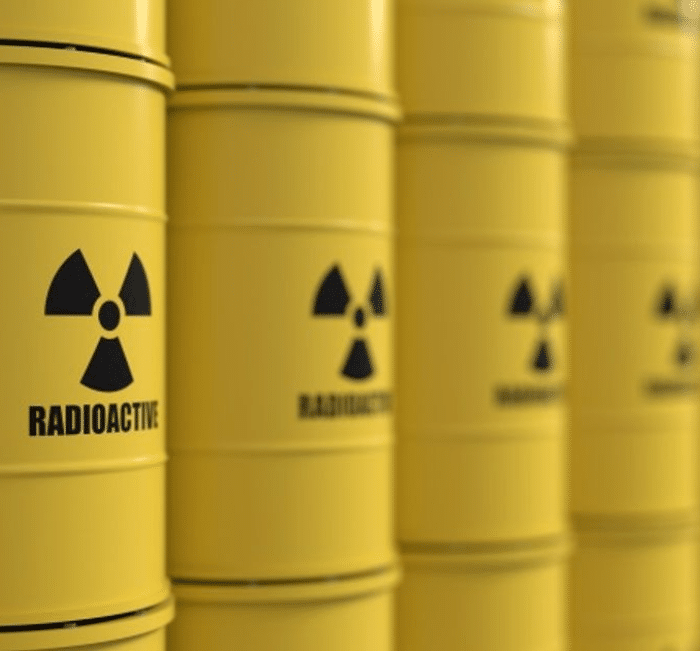
Uranium could fuel the world with reliable, low-carbon energy. Supply can’t meet demand & prices are soaring. We show you the bull case, the bear case, and how to invest.

The AI nuclear option, Chess makes me a better investor, Introducing Books from the WC, and More.
We create indices for eclectic modern alts. We’ve got a vinyl index, a whiskey index, and more. This helps us find the best buying opportunities for our alternative investment fund
We wrap everything up with a rich qualitative analysis. You’ll understand the pros & cons of investing in all sorts of alternative asset classes.